

Hablar de D’ESPAIRSRAY es hablar de una de las bandas más influyentes y viscerales del movimiento visual kei de principios de los años 2000. Con un sonido que transitaba sin miedo entre el metal industrial, el dark rock y la intensidad emocional del gothic japones, este cuarteto no solo marcó a una generación de fans dentro y fuera de Japón, sino que también supo traspasar fronteras físicas y musicales durante su carrera activa. (Entrevista exclusiva disponible en inglés y español)
Por: Duvan Prada (Colombia) con colaboración de Mayumi Kojima (Vegas PR Group)
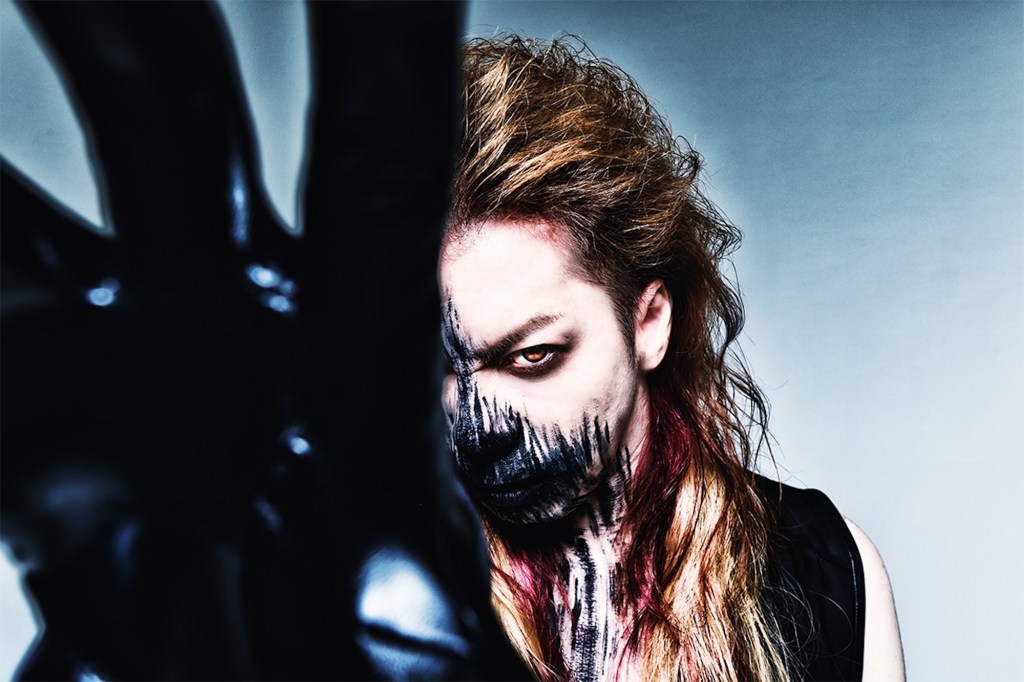
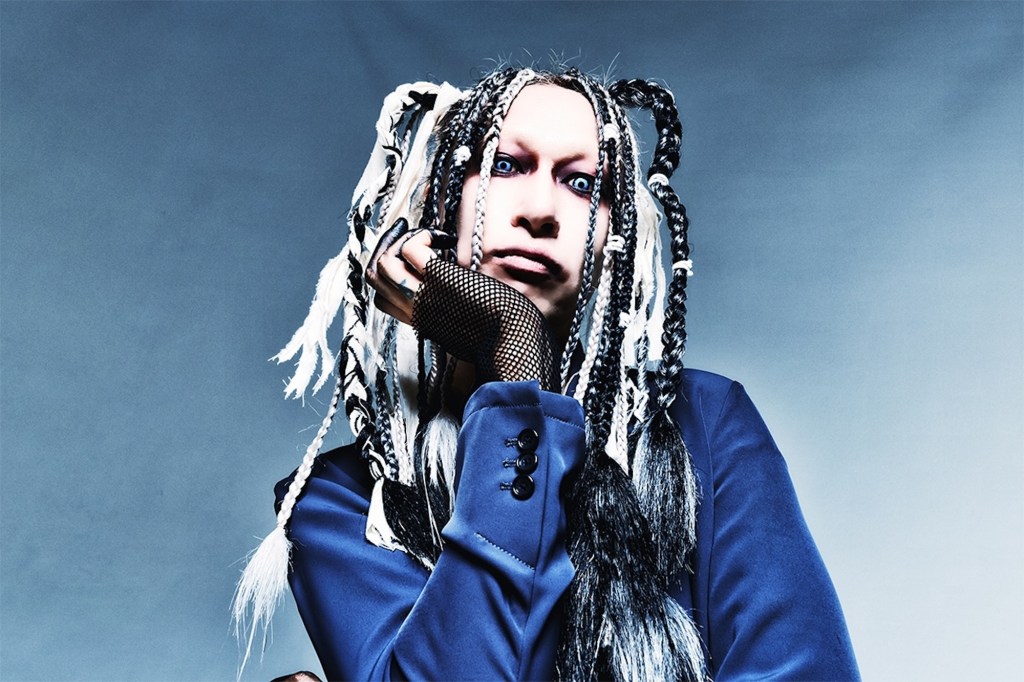
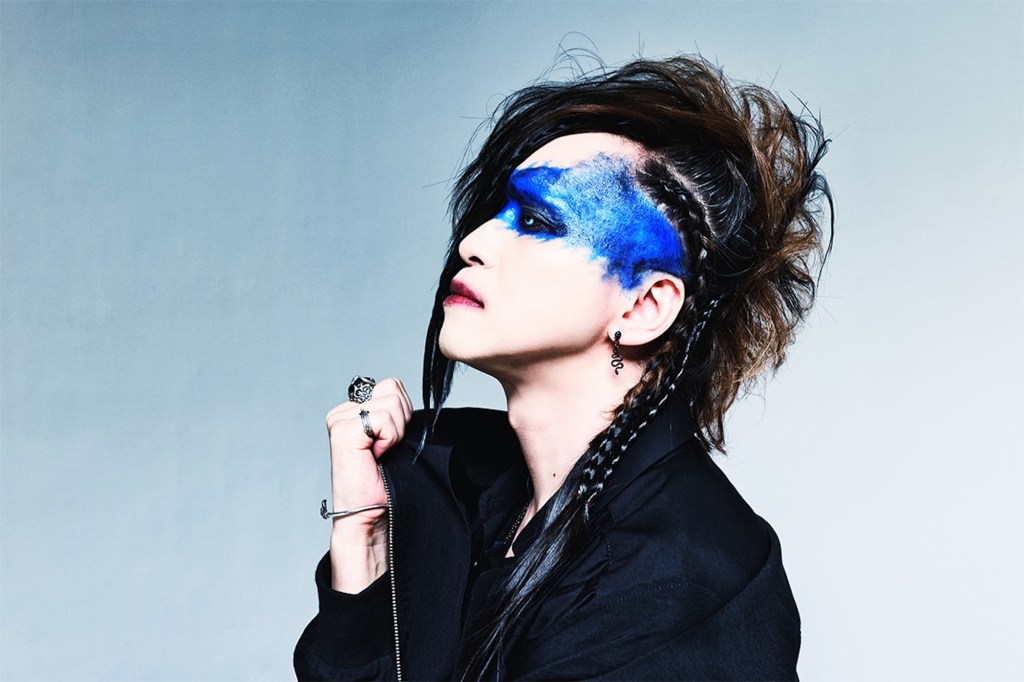
Después de más de una década de silencio, el regreso de HIZUMI (Vo.), Karyu (Gt.), ZERO (Ba.) y TSUKASA (Dr.) no solo es una noticia inesperada; es una reivindicación artística. En esta entrevista exclusiva para Bunka Wave, los miembros nos hablan con honestidad sobre las razones detrás de su reunión, los desafíos personales que enfrentaron, su perspectiva sobre el visual kei en el presente, y sus ganas de volver a conectar con una base de fans que nunca los olvidó; en especial, los y las «Mania» de América Latina, con quienes aún tienen una cuenta pendiente.
A contados días de presentarse en el CROSS ROAD Fest, D’ESPAIRSRAY se muestra más maduro, introspectivo y determinado. No buscan repetir el pasado, sino crear un nuevo capítulo con la misma intensidad que los definió desde el primer día.
BUNKA WAVE: Muchas gracias por aceptar esta entrevista para Colombia y Latinoamérica, cuéntanos brevemente, ¿Cómo surgió el primer contacto para este regreso? ¿Quién dio el primer paso?
HIZUMI: Como los otros tres siguieron activos juntos, supongo que esta pregunta recae principalmente en mí. Todo comenzó con una invitación a un evento, pero después de haber perdido mi capacidad para cantar y haber comenzado con NUL., me enfrenté a mí mismo y a mi forma de expresión. Sentí que finalmente había encontrado mi propio camino, así que como siguiente paso, a pesar de que aún tenía traumas y cosas sin resolver, me di cuenta de que no podía simplemente dejar a D’ESPAIRSRAY atrás. En cierto modo, es un desafío para mí.
B.W: ¿Qué significa para ustedes regresar al escenario en un festival tan simbólico como CROSS ROAD Fest?
HIZUMI: Estoy muy feliz de volver a tocar junto a nuestras bandas mayores del sello. Cada uno de esos grupos tiene una personalidad muy marcada, así que quiero darlo todo y mostrar la esencia de D’ESPAIRSRAY.
Karyu: Siento que esto podría ser el inicio de algo nuevo.
ZERO: El hecho de que nos hayan invitado, y justo en este momento, lo siento como una especie de destino. Todo se alineó para dar este paso.
TSUKASA: Estoy muy emocionado de compartir el escenario con las otras bandas y crear juntos esa atmósfera de festival. Pero sobre todo, me alegra profundamente poder volver a tocar como D’ESPAIRSRAY y reencontrarnos con todos nuestros fans, los “Mania”. También espero que personas que aún no nos conocen puedan unirse a esta emoción y sentirse parte de la familia.
B.W: Desde su debut internacional en 2004 hasta hoy, ¿cómo perciben la evolución del Visual Kei a nivel global?
HIZUMI: La escena se ha calmado en comparación con antes, pero aún hay personas que nos han seguido apoyando todo este tiempo. Me haría muy feliz que gracias a ellos esto volviera a tomar fuerza.
Karyu: Siento que el mundo está más abierto a aceptar este tipo de música que en el pasado. Ahora que muchas bandas están retomando actividades en el extranjero, nosotros también queremos volver a expandirnos globalmente.
ZERO: Durante un tiempo, sentí que el entusiasmo por el visual kei fuera de Japón se había apagado, pero últimamente parece que la pasión se está reavivando.
TSUKASA: Aunque ya no es como en los días de mayor auge, creo que aún podemos reavivar esa emoción. El visual kei forma parte de la cultura japonesa, y sinceramente, creo que es algo indestructible. Pero más allá de eso, lo que más deseo es compartir la música que estamos creando ahora.
B.W: ¿Cuáles son sus recuerdos más preciados de las giras fuera de Japón, especialmente en Europa o América?
HIZUMI: La gira Taste of Chaos fue muy dura, pero también una experiencia valiosa de la que aprendí mucho.
Karyu: La atmósfera en el extranjero —desde los recintos hasta las calles— era tan distinta a Japón, que me resultó increíblemente estimulante. Cada momento se volvió un recuerdo especial.
ZERO: La fuerza de los aplausos, esa sensación de que la gente nos estaba esperando… aún la llevo dentro.
TSUKASA: No importaba el país ni las personas, la música nos unía, nos emocionábamos juntos y compartíamos esa experiencia.
B.W: ¿Hay algún artista actual con el que les gustaría colaborar?
HIZUMI: KoRN.
Karyu: Me gustaría tocar con cualquier artista que tenga esa energía y pasión.
ZERO: No tengo a nadie específico en mente, pero me interesaría colaborar con artistas de EDM.
TSUKASA: Estaría encantado de colaborar con cualquier banda que haga rock pesado e intenso.
B.W: ¿Están interesados en presentarse nuevamente fuera de Japón? ¿Tienen a Latinoamérica en el radar?
HIZUMI: Recibo muchos mensajes de apoyo, así que me encantaría poder tocar allí algún día.
Karyu: Claro que estoy interesado, y ya estamos trabajando para que se dé esa oportunidad. Nunca hemos estado en América Latina, así que me intriga mucho.
ZERO: Quiero volver a hacer una gira mundial y conectar con la mayor cantidad de personas posible.
TSUKASA: Sin duda. Quiero volver a sentir esa energía tan única, diferente a la de Japón. Me encantaría visitar América Latina y tocar allí.
B.W: A pesar de que nunca han girado por América Latina, tienen una base de fans muy fuerte aquí. ¿Qué mensaje les gustaría enviarles?
HIZUMI: Cuando estábamos activos, no pudimos visitar todos los países, pero incluso después seguí recibiendo mensajes de apoyo desde el extranjero. Honestamente, no es exageración decir que esas voces me permitieron seguir haciendo música. Gracias de corazón.
Karyu: Tengo muchas ganas de verlos pronto. Si los fans se entusiasman con D’ESPAIRSRAY, esa energía puede hacer posible que vayamos inmediatamente.
ZERO: En el pasado hubo conversaciones sobre ir, pero al final no se concretó. Aun así, espero que algún día podamos finalmente encontrarnos.
TSUKASA: Algún día, sin falta, iré a verlos.
B.W: ¿Conocen alguna banda o artista de América Latina? ¿Hay algo de la cultura latina que les llame la atención?
HIZUMI: No he escuchado muchas bandas directamente de América Latina, pero me gusta Ill Niño, que tiene ese sabor latino en su música.
Karyu: Me gusta la percusión, y también escucho bossa nova, así que siempre he tenido afinidad con la cultura latina.
ZERO: La verdad, no suelo fijarme en qué país es cada artista, así que no sabría decirte, pero sí me interesa la capoeira.
TSUKASA: A partir de ahora quiero seguir aprendiendo. Me encantaría dominar esos ritmos latinos tan característicos.
B.W: ¿Qué han estado escuchando últimamente? ¿Algún género inesperado los ha influenciado?
HIZUMI: Como suelo centrarme en las voces, he estado revisitando cantantes y artistas japoneses antiguos. En cuanto a géneros inesperados, diría enka y kayōkyoku. Las canciones de artistas con una trayectoria profunda realmente me conmueven.
Karyu: Últimamente dejo que iTunes reproduzca música aleatoria, cosas que no conozco y simplemente las escucho de forma casual.
ZERO: Diría que hip hop y trap beats.
TSUKASA: A veces escucho bossa nova para relajarme.
B.W: ¿Podrían enviar un saludo a nuestra audiencia en América Latina y a Bunka Wave?
HIZUMI: Si algún día tenemos la oportunidad de tocar allá, ¡vamos a divertirnos juntos!
Karyu: Estoy decidido a ir. Realmente espero que el nombre de D’ESPAIRSRAY llegue a los organizadores de eventos y festivales locales.
ZERO: En el pasado hemos hecho giras por EE. UU., Europa y Asia, pero nunca hemos cruzado el ecuador. Algún día me gustaría romper esa barrera y por fin conocerlos.
TSUKASA: Si algún día vamos a América Latina, ¡espero que todos vengan a vernos! Cuando llegue ese momento, desataremos toda nuestra música original ¡y nos volveremos locos juntos!
D’ESPAIRSRAY: Rebirth through shadows and distortion
Talking about D’ESPAIRSRAY is talking about one of the most influential and visceral bands of the early 2000s visual kei movement. With a sound that fearlessly blended industrial metal, dark rock, and raw emotional intensity, the quartet not only shaped a generation of fans inside and outside Japan, but also broke musical and cultural boundaries throughout their active years.
By Duvan Prada (Colombia) In collaboration with Mayumi Kojima (Vegas PR Group)
After more than a decade of silence, the return of HIZUMI, Karyu, ZERO, and TSUKASA is more than just unexpected news, it’s an artistic statement. In this exclusive interview with BUNKA WAVE, the members speak candidly about the reasons behind their reunion, the personal challenges they’ve faced, their views on the current state of visual kei, and their desire to reconnect with a fanbase that never forgot them especially the “Mania” in Latin America, with whom they still have an unfinished chapter.
Just days away from their performance at CROSS ROAD Fest, D’ESPAIRSRAY show themselves as more mature, introspective, and determined than ever. They’re not looking to repeat the past, but to write a new chapter with the same intensity that has defined them since day one.
BUNKA WAVE: What motivated you to reunite after more than a decade? How did the first contact for this comeback happen? Who took the first step?
HIZUMI: Since the other three have continued activities together, I suppose the question comes down to me. The initial trigger was the invitation to the event, but after I lost my ability to sing once, I started NUL. and really confronted myself and my own form of expression. I reached a point where I felt I had established that within myself, so as the next step — even though I still had regrets and trauma — I realized I couldn’t just pass by D’ESPAIRSRAY. In a sense, it feels like a challenge.
BUNKA WAVE: What does it mean to you to return to the stage at such a symbolic festival as CROSS ROAD Fest?
HIZUMI: I’m really happy to be performing again alongside our former label seniors. Each of those bands has such a strong sense of individuality, so I want to give it everything we’ve got and show the essence of D’ESPAIRSRAY.
Karyu: I feel like this could be the beginning of something new.
ZERO: I feel like the timing – and the fact that we were invited by the organizers – was fate. It really felt as if everything lined up perfectly for us to take this step forward.
TSUKASA: I’m really looking forward to sharing the stage with the other bands and creating a festival-like atmosphere together. Above all, I’m truly happy that we can perform again as D’ESPAIRSRAY and reunite with all of our fans—the “Mania.” I also hope that people who don’t know D’ESPAIRSRAY yet can join in the excitement and feel like part of the family with us.
BUNKA WAVE: Since your international debut in 2004 until now, how do you perceive the evolution of Visual Kei on a global scale?
HIZUMI: The scene has calmed down compared to before, but there are still people who’ve been supporting us all this time. I’d be really happy if things heat up again thanks to them.
Karyu: I feel like the world is more open to embracing this kind of music than it used to be. And with so many bands once again actively expanding overseas, we also want to pursue global activities again ourselves.
ZERO: For a while, I felt like the excitement for visual kei overseas had calmed down, but lately it seems that passion has been gradually heating up again.
TSUKASA: Compared to the peak days, things feel a bit calmer now, but I believe we can still reignite the excitement. Visual kei is a part of Japanese culture, and I truly believe it’s indestructible. Above all, though, what I most want is to share the music we’re creating right now.
BUNKA WAVE: What are your most cherished memories from touring outside Japan, especially in Europe or the Americas?
HIZUMI: The Taste of Chaos tour was really tough, but it turned out to be a great experience and I learned a lot from it.
Karyu: The atmosphere overseas from the live venues to the streets themselves was so different from Japan, and it was incredibly stimulating. Every single moment became a precious memory for me.
ZERO: The power of the cheers—the feeling that everyone had been waiting for us. That feeling still stays with me even now.
TSUKASA: No matter the country or the people, through music we were able to come together, get excited, and share the experience.
BUNKA WAVE: Is there any current artist you would like to collaborate with?
HIZUMI: KoRN
Karyu: I’d like to play with anyone who has that kind of energy and drive.
ZERO: I don’t have anyone specific in mind, but I’d like to try collaborating with EDM artists.
TSUKASA: I’d be up for collaborating with any band that plays intense, heavy rock
BUNKA WAVE: Are you interested in performing outside of Japan again? Is Latin America on your radar?
HIZUMI: I often receive messages of support, so I’d really love to perform live there someday.
Karyu: Of course I’m interested, and we’re already working on making that opportunity happen. We’ve never been to Latin America, so I’m very intrigued by the idea.
ZERO: I want to tour the world again and connect with as many people as possible.
TSUKASA: Absolutely. I really want to experience that unique kind of energy and excitement again—the kind that feels so different from Japan. I’d also love to visit Latin America and perform there.
BUNKA WAVE: Even though you never toured Latin America, you still have a strong fan base here. What message would you like to send them?
HIZUMI: Back when we were active, we couldn’t tour everywhere, but even after that I kept hearing messages of support from abroad. Honestly, it’s not an exaggeration to say that those voices are what allowed me to keep making music. Thank you.
Karyu: I really want to see everyone soon. If the fans get excited about D’ESPAIRSRAY, that energy might make it possible for us to come to you right away.
ZERO: In the past, there were talks about it, but in the end we weren’t able to tour there. Still, maybe in the future there will be a day when we can finally meet.
TSUKASA: One day, I’ll definitely come to see you.
BUNKA WAVE: Do you know any Latin American bands or artists? Is there something from Latin culture that has caught your attention?
HIZUMI: I haven’t really listened to any bands directly from Latin America, but I do like Ill Niño, who carry that Latin American flavor in their music.
Karyu: I like percussion, and I also listen to bossa nova, so I’ve always had a fondness for Latin culture.
ZERO: I honestly haven’t paid much attention to which artists come from which countries, so I can’t really say—but I do have an interest in capoeira.
TSUKASA: From now on, I want to keep learning. I’d really love to master those unique Latin rhythms.

BUNKA WAVE: What have you been listening to lately? Has any unexpected genre influenced you?
HIZUMI: Since I tend to focus on vocals when I listen to music, I’ve been revising older Japanese artists and singers. If you’re talking about genres people might not expect, I’d say enka and kayōkyoku. Songs by singers who carry that kind of deep-rooted background really move me.
Karyu: Lately I’ve been enjoying just letting random music play on iTunes stuff I don’t know and listening to it casually.
ZERO: I’d say hip hop and trap beats.
TSUKASA: Sometimes I listen to bossa nova to relax.
BUNKA WAVE: Could you send a greeting to our audience in Latin America and to Bunka Wave?
HIZUMI: If we ever get the chance to perform live there, let’s have fun together.
Karyu: I’m determined to go. I really hope D’ESPAIRSRAY’s name reaches local event organizers and festival promoters.
ZERO: In the past, we’ve toured across the U.S., Europe, and Asia, but we’ve never crossed the equator. Someday, I’d love to go beyond that boundary and finally meet everyone in Latin America.
TSUKASA: If we ever get the chance to visit Latin America, I really want everyone to come see us. When that day comes, we’ll unleash ourselves with our original music and go wild together!
 Bunka Wave