
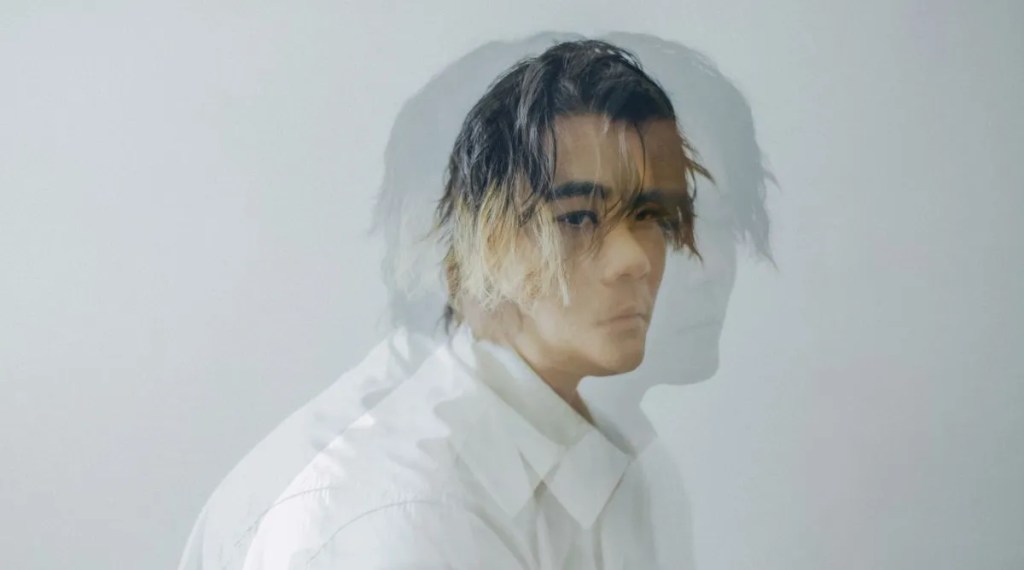
La historia de Centimillimental comenzó lejos de los grandes escenarios internacionales. Atsushi, mente y voz detrás del proyecto, nunca escribió pensando en conquistar el mundo; escribió para comprenderse. Lo que inició con canciones dirigidas a “todos” terminó convirtiéndose en confesiones íntimas, nacidas de una búsqueda personal y honesta. En esa sinceridad encontró el puente que hoy lo acerca profundamente al público latinoamericano. (Entrevista exclusiva disponible en inglés y español).
Por: Duvan Prada (Colombia)
Tras el impacto internacional de Given el aclamado anime que lo dio a conocer fuera de Japón y el impulso que lo llevó a presentarse en escenarios fuera de su país, Atsushi actualmente atraviesa una etapa en la que la vulnerabilidad se ha convertido en su mayor fortaleza.
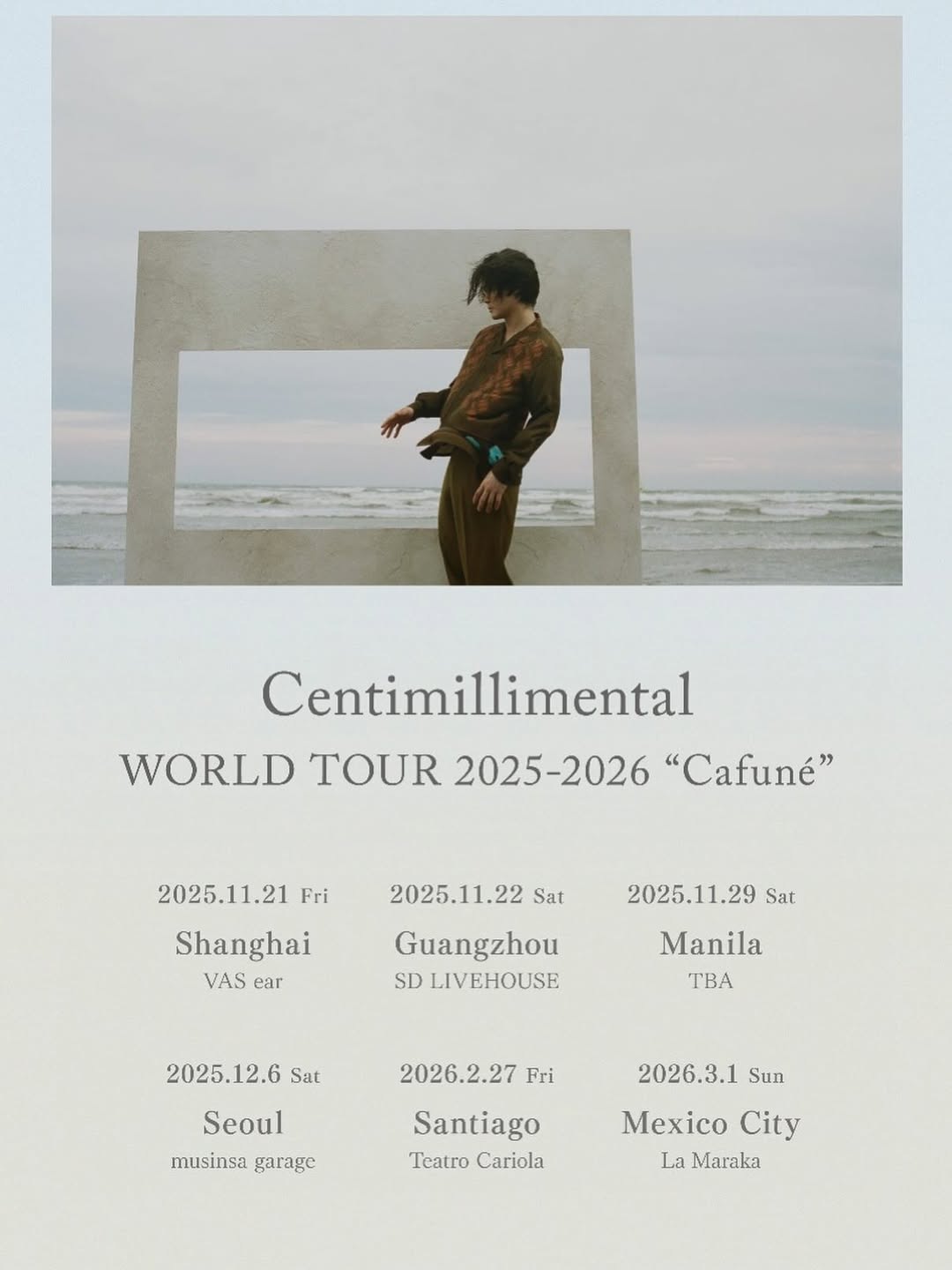
La prueba más clara está en Latinoamérica. Como parte de su gira mundial «Cafuné», el artista se presentará por primera vez en Chile con dos fechas en el Teatro Cariola de Santiago jueves 26 y viernes 27 de febrero de 2026, abiertas debido a la alta demanda. Días después, su debut en México confirmó el fenómeno: los conciertos del 1 y 2 de marzo de 2026 en La Maraka, en Ciudad de México, se agotaron en tiempo récord.
En una conversación con Bunka Wave, Atsushi reflexiona sobre el peso de sostener esa conexión emocional y sobre cómo la música, impulsada por el anime, se ha convertido en un puente capaz de unir culturas sin necesidad de traducción.
Bunka Wave. Muchas gracias por aceptar esta entrevista para Colombia y Latinoamérica. Tu música es profundamente emocional y honesta. ¿De dónde nace la necesidad de expresar sentimientos tan íntimos en tus canciones?
Atsushi. Cuando recién comenzaba mi carrera, quería que mi música llegara a la mayor cantidad de personas posible. Por eso, en lugar de cantar sobre experiencias personales, me enfocaba en crear canciones que buscaran una especie de empatía universal hacia todos. Sin embargo, el resultado fue que mis canciones no lograban resonar profundamente en nadie.
Como las cosas no estaban yendo bien y empecé a sentirme pesimista sobre el futuro, estaba en un estado de desesperación, cambié de perspectiva. En lugar de intentar llegar a “todos”, decidí crear algo que primero me salvara a mí mismo.
Cambié el mensaje de estar dirigido a “todos ustedes” a ser para “ti”, y comencé a escribir sobre temas más personales y minimalistas. Ese cambio fue lo que finalmente dio origen al mundo que expreso hoy en mi música.
Bunka Wave. Cuando compones, ¿Qué surge primero: la melodía o la letra? ¿Cómo toma forma una canción de Centimillimental desde cero?
Atsushi. Básicamente, suelo trabajar la letra y la melodía al mismo tiempo. Cuando las palabras y la melodía llegan juntas, tienden a tener una compatibilidad natural muy fuerte, como si se estuvieran llamando entre sí, así que siempre intento comenzar de esa manera cuando es posible.
Dicho esto, es difícil completar una canción entera únicamente con este método, y no siempre llegan simultáneamente. Por eso también me aseguro de poder escribir tanto empezando por la letra como por la melodía.
Generalmente, primero construyo la estructura fundamental de la canción a cappella, y luego agrego los acordes y el ritmo. Después desarrollo el arreglo paso a paso hasta completarlo.
Bunka Wave. Elegiste una palabra que representa un gesto de afecto muy íntimo como título de tu álbum. ¿Qué significa “Cafuné” en esta etapa de tu vida artística?
Atsushi: Como mencioné en la primera pregunta, Centimillimental valora la cercanía emocional: ser honesto conmigo mismo y transmitir esos sentimientos directamente a la persona que tengo delante.
Para este álbum, quería estructurarlo alrededor de esa sensación de cercanía, comparándola con el amor. Con eso en mente, elegí “Cafuné” como título, una palabra que había querido usar desde hacía bastante tiempo.
Bunka Wave. Después de “Given” y “Kizuato”, tu música cruzó fronteras. ¿Cómo cambió ese momento tu perspectiva sobre tu carrera?
Atsushi: Nunca imaginé que mi música cruzaría fronteras y me llevaría a dar conciertos en tantas partes del mundo, así que todavía se siente un poco surrealista. Desde mi debut he colaborado con varias obras, pero Given en particular es un título que siento profundamente querido en todo el mundo.
Creo que he podido formar muchas conexiones significativas gracias a mi encuentro con Given, esta entrevista es una de ellas, y estoy verdaderamente agradecido por eso. Espero poder retribuirlo de la manera adecuada.
Bunka Wave. ¿Sientes que el anime se ha convertido en un puente cultural entre Japón y América Latina a través de la música?
Atsushi: Sí, lo creo. La influencia que tiene el anime es realmente inmensa, y siempre me conmueve nuevamente su poder. Cuando la historia, la animación y la música se unen como una sola, despiertan una gran variedad de emociones en nosotros como espectadores.
Está el impacto emocional que sentimos mientras estamos inmersos en el mundo de la historia, y luego está otro tipo de emoción que surge cuando llevamos esa sensación de vuelta a nuestra vida cotidiana. Creo que ambas dejan una presencia fuerte en el corazón. Y ese tipo de emoción no está limitada por fronteras; tiene un gran potencial para conectar a las personas más allá de culturas y razas.
Bunka Wave. Al comenzar esta gira mundial, ¿Qué expectativas tienes sobre cómo será recibida tu música fuera de Japón?
Atsushi: Algo que realmente me sorprendió en mis presentaciones en el extranjero fue lo profundamente que las personas se involucraban y comprendían las letras, mucho más de lo que esperaba. Debido a la diferencia de idioma, pensaba que el público disfrutaría principalmente la música como una experiencia sonora global, pero la realidad fue bastante diferente.
Gracias a la energía que transmiten la música y el anime, los sentimientos detrás de las canciones pueden cruzar las barreras del idioma y resonar en las personas. Creo que eso es casi milagroso, y me hace increíblemente feliz.
Bunka Wave. ¿Estás familiarizado con algún artista latino o latinoamericano, o recientemente has escuchado música de la región?
Atsushi: Para ser honesto, no he tenido mucha exposición a la música popular extranjera, no solo latina o latinoamericana. Como pasé bastante rápido de la música clásica a crear mis propias obras originales, no tuve muchas oportunidades de escuchar música popular, ni siquiera a nivel nacional, a menos que llegara a mí de manera natural.
Sin embargo, ahora que tengo la oportunidad de viajar a diferentes países, me gustaría explorar la música y los artistas de cada lugar, y poco a poco construir conexiones e incluso quizá colaborar o crear algo juntos en el futuro.
Bunka Wave. ¿Cuál fue tu reacción personal cuando supiste que tus conciertos en México se agotaron en cuestión de minutos?
Atsushi: Me quedé completamente impactado. Nunca imaginé que seríamos recibidos con tanto cariño en México, un lugar tan lejano de Japón. Queremos asegurarnos de que el concierto esté a la altura de esas expectativas, y también esperamos expresar nuestra gratitud a través de nuestra música de ahora en adelante.
Bunka Wave. ¿Qué es lo que más te desafía o incluso te asusta como artista en esta etapa de tu carrera?
Atsushi: Lo que más pesa sobre mí es la presión, la ansiedad y la responsabilidad de asegurarme de que tanto mi música como las voces de quienes la apoyan no se desvanezcan como algo pasajero. Siento un fuerte deber de mantener viva esa conexión. Quiero seguir siendo un artista que se desafía musicalmente, mientras cumplo con las expectativas que las personas tienen sobre mí.
Bunka Wave. Nuevamente, muchas gracias por esta entrevista. ¿Puedes enviar un saludo a tus seguidores en América Latina?
Atsushi: A todo el equipo de Bunka Wave y a todos ustedes en América Latina: muchas gracias por encontrar a Centimillimental y conectar con mi música. Haré que esta gira mundial sea lo mejor posible, y seguiré entregándolo todo en mis presentaciones y en mi música para que podamos seguir construyendo un lazo donde se sienta que siempre estamos tomados de la mano, sin importar la distancia.
Centimillimental: The Musical Embrace Between Japan and Latin America
Duvan Prada (Colombia)
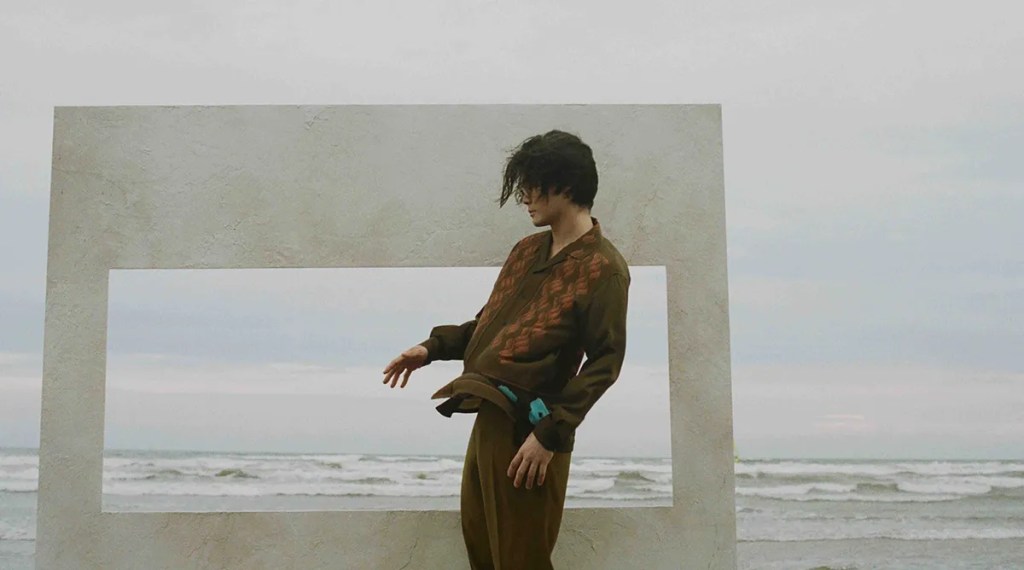
Centimillimental’s story began far from the major international stages. Atsushi — the mind and voice behind the project — never wrote with the ambition of conquering the world; he wrote to understand himself. What began as songs addressed to “everyone” gradually transformed into intimate confessions, born from a sincere and personal search. In that honesty, he found the bridge that now connects him deeply with Latin American audiences.
Following the international impact of Given — the acclaimed anime that introduced him to audiences beyond Japan — and the momentum that led him to perform on stages outside his home country, Atsushi is currently in a phase where vulnerability has become his greatest strength.
The clearest proof lies in Latin America. As part of his Cafuné world tour, the artist will perform in Chile for the first time with two shows at Teatro Cariola in Santiago — Thursday, February 26 and Friday, February 27, 2026 — both opened due to overwhelming demand. Days later, his debut in Mexico confirmed the phenomenon: the March 1 and 2, 2026 concerts at La Maraka in Mexico City sold out in record time.
In conversation with Bunka Wave, Atsushi reflects on the responsibility of sustaining that emotional connection and on how music — propelled by anime — has become a bridge capable of uniting cultures beyond the need for translation.
Bunka Wave: Thank you very much for accepting this interview for Colombia and Latin America. Your music is deeply emotional and honest. Where does the need to express such intimate feelings in your songs come from?
Atsushi: When I had just started my career, I wanted my music to reach as many people as possible, so rather than singing about personal experiences, I focused on creating songs that aimed for a kind of universal empathy toward everyone. However, the result was that the songs didn’t truly resonate deeply with anyone.
As things weren’t going well and I began to feel pessimistic about the future—when I was in a state of despair—I shifted my perspective. Instead of trying to reach “everyone,” I decided to create something that would first save myself. I changed the message from being directed to “all of you” to being for “you,” and began writing about more minimal, personal subjects. That shift ultimately led to the worldview I express in my music today.
Bunka Wave. When you compose, what comes first: the melody or the lyrics? How does a Centimillimental song take shape from scratch?
Atsushi: Basically, I often work on the lyrics and melody at the same time. When words and melody come to me together, they tend to have a strong natural compatibility—as if they’re calling to each other—so I try to begin writing in that way whenever possible.
That said, it’s difficult to complete an entire full-length song using only this method, and they don’t always come to me simultaneously, so I make sure I can write starting from either lyrics-first or melody-first as well. Usually, I first build the fundamental structure of the song a cappella, and then I construct the chords and rhythm afterward, developing the arrangement step by step until it’s complete.
Bunka Wave. You chose a word that represents a very intimate gesture of affection as your album title. What does “Cafuné” mean in this stage of your artistic life?
Atsushi: As I mentioned in the first question, Centimillimental values emotional closeness—being honest with my inner self and delivering those feelings directly to the person in front of me. For this album, I wanted to structure it around that sense of closeness, likening it to “love.” With that in mind, I chose Cafuné as the album title, a word I had wanted to use for quite some time.
Bunka Wave. After “Given” and “Kizuato,” your music crossed borders. How did that moment change your perspective on your career?
Atsushi: I never imagined that my music would cross borders and lead me to perform concerts in so many different parts of the world, so it still feels a bit surreal to me. Since my debut, I’ve collaborated with several works, but Given in particular feels like a title that is deeply loved all over the world.
I believe I’ve been able to form many meaningful connections thanks to encountering Given—this interview is one of them—and I’m truly grateful for that. I hope to properly give back in return.
Bunka Wave. Do you feel that anime has become a cultural bridge between Japan and Latin America through music?
Atsushi: Yes, I do. The influence that anime holds is truly immense, and I’m always freshly moved by its power. When story, animation, and music come together as one, they bring out a wide range of emotions in us as viewers. There’s the emotional impact we feel while immersed in the world of the story, and then there’s another kind of emotion that arises when we carry that feeling back into our own lives. I believe both leave a strong presence in our hearts. And that kind of emotion isn’t bound by borders—it holds great potential to connect people across cultures and races.
Bunka Wave. As you begin this world tour, what expectations do you have about how your music will be received outside of Japan?
Atsushi: One thing that really surprised me during my past overseas shows was how deeply people engaged with and understood the lyrics—far more than I had expected. Because of the language difference, I assumed audiences might mainly enjoy the music as a whole sound experience, but the reality turned out to be quite different.
Thanks to the energy that music and anime carry, the feelings behind the songs are able to cross language barriers and resonate with people. I think that’s something almost miraculous, and it makes me incredibly happy.
Bunka Wave. Are you familiar with any Latin or Latin American artists, or have you recently listened to music from the region?
Atsushi: To be honest, I haven’t really had much exposure to overseas popular music—not just Latin or Latin American music. Since I moved fairly quickly from classical music into creating my own original works, I didn’t have many opportunities to listen even to popular music domestically unless it happened to reach me naturally.
However, now that I have the chance to travel around different countries like this, I’d love to explore the music and artists from each place, and gradually build connections and perhaps even collaborate or create something together over time.
Bunka Wave. What was your personal reaction when you found out your concerts in Mexico sold out within minutes?
Atsushi: I was absolutely blown away. I never imagined that we would be so warmly welcomed in Mexico, a place so far away from Japan. We want to make sure the concert lives up to those expectations, and we hope to express our gratitude through our music going forward as well.
Bunka Wave. What challenges or even scares you the most as an artist at this stage of your career?
Atsushi: What weighs on me the most is the pressure, anxiety, and responsibility to make sure that both my music and the voices of those who support it don’t fade away as something temporary. I feel a strong sense of duty to keep that connection alive. I want to remain an artist who continues to challenge myself musically, while still living up to the expectations people have for me.
Bunka Wave. Again, thank you very much for this interview. Finally, you send us a greeting to Bunka Wave in Colombia and Latin America.
Atsushi: To everyone at Bunka Wave, and to all of you across Latin America—thank you so much for finding Centimillimental and connecting with my music. As I make this world tour the best it can possibly be, I’ll keep pouring everything I have into my performances and my music so that we can continue building a bond where it feels like we’re always holding hands, no matter the distance.
 Bunka Wave