
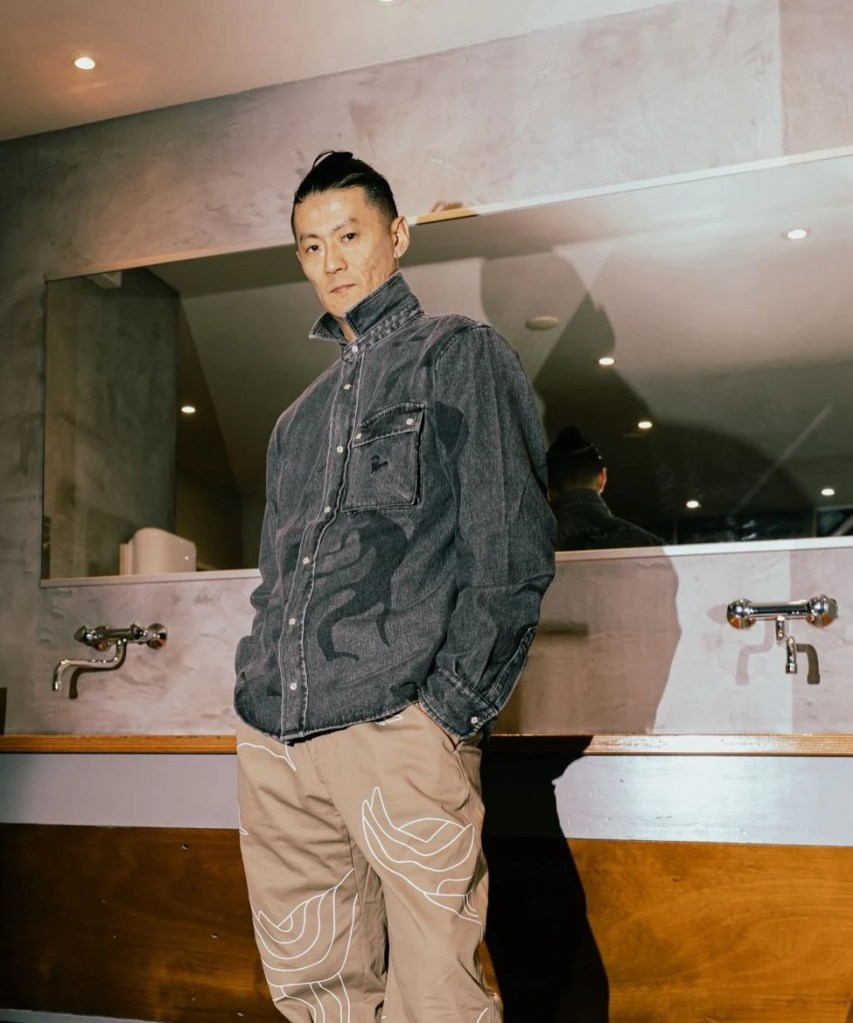
Cuando se habla de Shing02 es inevitable pensar en Nujabes, en Battlecry y en la serie Luv(sic), una obra que cambió para siempre la forma en que el hip hop y el jazz podían dialogar. Sin embargo, detrás de esas canciones existe una historia que comenzó mucho antes de Samurai Champloo y que continúa encontrando nuevos oyentes alrededor del mundo. (Entrevista exclusiva disponible en inglés y español)
Por: Duvan Prada (Colombia)
Nacido en Tokio, creciendo entre Tanzania e Inglaterra y formado artísticamente en la escena del Área de la Bahía de San Francisco durante los años noventa, Shing02 ha construido una trayectoria que desafía las fronteras culturales. Su colaboración con el productor Nujabes dio origen a Luv(sic), una obra que con el paso de los años trascendió la escena japonesa para convertirse en un referente del hip hop contemporáneo.
Ahora, Shing02 se prepara para escribir un nuevo capítulo en su trayectoria con su primera gira por Latinoamérica. Acompañado por SPIN MASTER A-1 y Sam Nakamura, el Luv(sic) Hexalogy Tour recorrerá México, Colombia, Brasil, Argentina, Chile y Perú, marcando el esperado encuentro del artista japonés con el público de la región.
En entrevista exclusiva para Bunka Wave, Shing02 reflexiona sobre los encuentros, las experiencias y las ideas que han marcado su camino artístico. Una conversación que invita a descubrir la visión de un creador que ha hecho del hip hop un espacio para conectar culturas, generaciones y distintas formas de entender la música.
BUNKA WAVE. Muchas gracias por aceptar esta entrevista para Bunka Wave y nuestra audiencia en Latinoamérica. Para comenzar, cuéntanos sobre tus primeros años en el hip hop. ¿Qué buscabas expresar a través de tus letras en ese momento?
Shing02: Me mudé de Japón a California a finales de 1989, así que mi recorrido realmente comenzó con la década de los noventa. Durante los primeros años estuve adaptándome a la cultura y al lenguaje de California, que eran muy diferentes de lo que había vivido mientras crecía en Londres.
En la secundaria era simplemente un fanático. Dibujaba mucho y escuchaba discos de The Pharcyde, Del y canciones que sonaban en la radio, como Digable Planets, entre otros. Luego, en 1993, me mudé a Berkeley, California, y fue la primera vez que estuve realmente expuesto a una escena de hip hop, ya que mi colegio estaba en una zona muy suburbana. Fue también cuando me di cuenta de que los chicos de Los Ángeles tenían mucha más experiencia y estaban mucho más avanzados que yo, jaja.
Así que en la universidad me tocó volver a ponerme al día, pero esta vez con el hip hop. Antes de darme cuenta, ya estaba diseñando portadas de álbumes para artistas del underground y empezando a producir mis propios beats mientras improvisaba en las residencias universitarias. Obviamente, al principio no era un gran rapero, pero tenía muchas ideas creativas y sabía que quería hacerlo todo. Ahí fue donde empezó todo.
B.W. Durante esos años viviste entre distintas culturas. ¿Cómo influyeron esas experiencias en tu manera de entender la música y escribir canciones?
Shing02: Sin duda influyeron. También viví en Tanzania y Japón, así que experimenté diferentes sistemas educativos, culturas muy arraigadas y muchas otras diferencias. Creo que lo increíble del hip hop era que podías tomar un beat y hablar de cualquier cosa desde tu propia perspectiva, hacer que conectara con la gente. Era como hacer un cortometraje.
B.W. ¿Recuerdas cómo conociste a Nujabes? ¿Cuál fue tu primera impresión de él?
Shing02: Primero me escribió un correo electrónico y luego nos encontramos en Japón. Mi primera impresión fue que solo estaba interesado en lo que quería hacer, que era grabar un disco conmigo. Lo digo porque yo le estaba mostrando otros proyectos en los que estaba trabajando en ese momento y realmente no mostró mucho interés por ellos. Eso hizo que dejara el casete sobre mi escritorio durante un tiempo. Un día lo tomé, lo puse a sonar y, básicamente, el resto es historia.
B.W. ¿En qué momento te diste cuenta de que entre ustedes existía una conexión artística especial?
Shing02: Fue un proceso muy gradual, porque a comienzos de los años 2000 no tenías forma de saber si una canción estaba funcionando, a menos que siguieras las ventas físicas. Tanto Nujabes como yo llevábamos apenas unos pocos años haciendo lo que hacíamos.
Con el paso del tiempo empecé a recibir comentarios de personas que conectaban no solo con Battlecry, sino también con la música y las letras en general. Creo que el hecho de que cada vez más gente descubra ese trabajo ha hecho que la conexión que quedó plasmada en esas grabaciones siga siendo algo muy especial.
B.W. Cuando comenzaron a trabajar juntos, ¿alguna vez imaginaron que su música tendría un impacto tan duradero?
Shing02: Absolutamente no. Evidentemente, momentos decisivos como Battlecry y, por supuesto, la partida de Nujabes marcaron un antes y un después que nos llevó hasta este punto. A veces me pregunto cómo sería la recepción de su música si él siguiera con nosotros y qué clase de música estaría haciendo hoy. Yo siempre trataba de animarlo a seguir creando música, incluso si nunca llegaba a publicarla.
B.W. Para muchas personas, Samurai Champloo fue la puerta de entrada para descubrir tanto tu música como la de Nujabes. ¿Qué significa para ti saber que la serie sigue acercando tu obra a nuevas generaciones?
Shing02: Me parece increíble y, definitivamente, es una prueba del poder que surge cuando dos culturas chocan: el anime y el hip hop. Hay que entender que, en Japón, el manga tardó décadas en ser aceptado y, hasta el día de hoy, el anime sigue siendo visto principalmente como un género para niños. Podría decirse que ambos son, en esencia, culturas juveniles y, en ese sentido, tienen mucho en común.
B.W. Tras la partida de Nujabes, ¿cómo fue para ti continuar ese camino y ayudar a preservar el legado que construyeron juntos?
Shing02: Fue un proceso difícil y requirió muchísimo trabajo, pero sabíamos que teníamos la responsabilidad de terminarlo de la manera correcta. Al menos en las canciones de las que yo era responsable, Uyama Hiroto y yo utilizamos el estudio de Nujabes en Kamakura y terminamos todo allí: las voces, el scratching e incluso la mezcla. Todavía se me pone la piel de gallina cuando pienso en el videoclip que filmamos para Luv(sic) Part 6 Remix.
B.W. Luv(sic) se ha convertido en una de las obras más queridas del hip hop. ¿Hay algún mensaje o reflexión que esperas que el público se lleve después de escuchar la Luv(sic) Hexalogy completa?
Shing02: Está abierta a la interpretación… Por supuesto, hay muchos episodios personales entretejidos en las letras, pero la serie comenzó como una especie de metáfora, una carta de amor a la Diosa del Hip Hop.
Con Luv(sic), en particular, traté de sacarme a mí mismo de la ecuación tanto como fuera posible. Es un poco como interpretar un personaje en una película, y por eso también puedo volver a entrar en ese papel cada vez que interpreto esas canciones en vivo.
Creo que el recorrido que fue tomando la historia terminó reflejando, de forma natural, las luchas de la vida en general, y quizá por eso la gente sigue identificándose con ella.
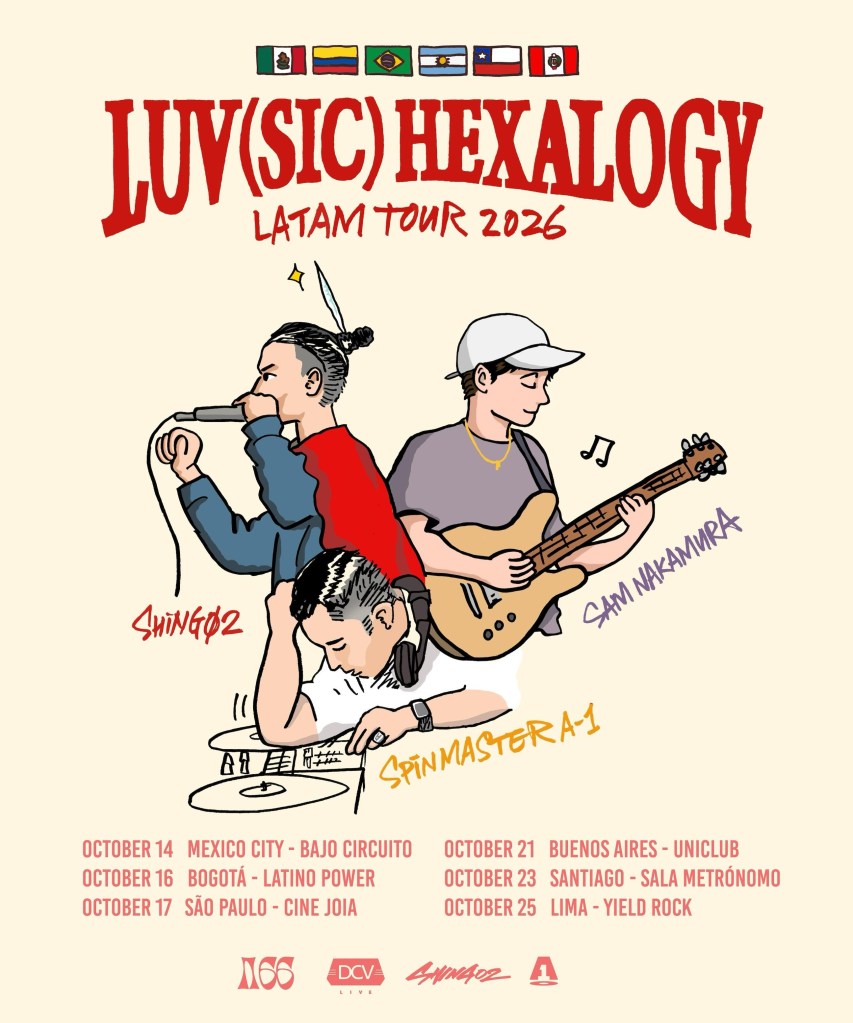
B.W. En esta gira estarás acompañado por Spin Master A-1 y Sam Nakamura, dos artistas muy respetados dentro de la escena del hip hop japonés. ¿Por qué era importante para ti compartir este tour con ellos?
Shing02: A-1 y yo llevamos décadas recorriendo este camino juntos. Él es el DJ original que hizo el scratching en Luv(sic) Part 3. Van a tener que verlo en vivo para entender realmente todo lo que aporta a las tornamesas, jaja.
En cuanto a Sam Nakamura, siempre admiré su forma de tocar. Estuvimos en contacto durante muchos años por internet hasta que, finalmente, le propuse unirse a nosotros para la gira por Australia y Nueva Zelanda de este año.
B.W. Después de tantos años de carrera, ¿Qué sigue inspirando a Shing02 como artista?
Shing02: Creo que mantener las cosas simples, honestas y auténticas. Es importante planificar y ejecutar las ideas, pero más allá de eso, no hay que pensar demasiado las cosas. Nuestra imaginación tiene sus límites y el futuro siempre puede traer escenarios completamente impredecibles.
B.W. Finalmente, ¿qué mensaje te gustaría compartir con tus seguidores latinoamericanos antes de encontrarte con ellos por primera vez este octubre?
Shing02: ¡Es la primera vez que hacemos una gira por Latinoamérica! Sé que hay cientos de lugares increíbles por conocer, pero estamos muy felices de comenzar con este recorrido. Con la recepción que ya estamos teniendo, ¡espero que podamos verlos a todos! De verdad tengo muchas ganas de sentir esa energía.
Shing02: Hip Hop as a Creative Universe
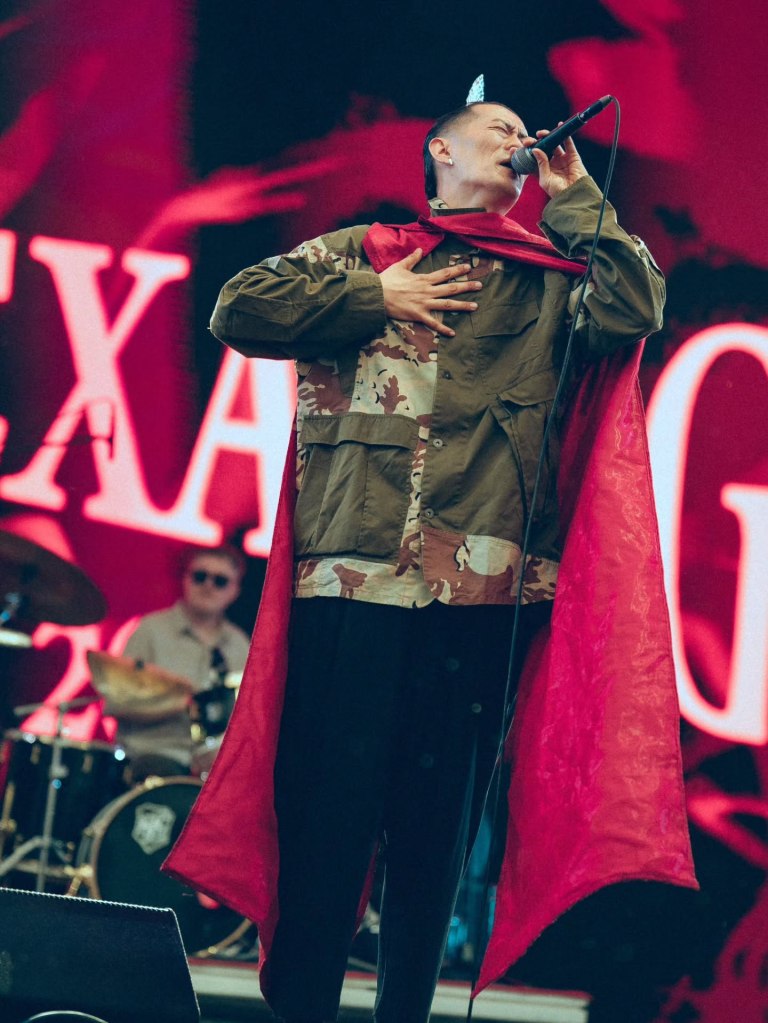
When talking about Shing02, it’s almost impossible not to think of Nujabes, Battlecry, and the Luv(sic) series—a body of work that forever changed the way hip hop and jazz could coexist. Yet behind those songs lies a story that began long before Samurai Champloo and continues to reach new listeners around the world.
By Duvan Prada (Colombia)
Born in Tokyo, raised between Tanzania and England, and artistically shaped by the San Francisco Bay Area’s hip hop scene during the 1990s, Shing02 has built a career that transcends cultural boundaries. His collaboration with producer Nujabes gave birth to Luv(sic), a work that, over the years, grew beyond Japan’s music scene to become a landmark of contemporary hip hop.
Now, Shing02 is about to begin a new chapter in his career with his first-ever Latin American tour. Joined by SPIN MASTER A-1 and Sam Nakamura, the Luv(sic) Hexalogy Tour will travel through Mexico, Colombia, Brazil, Argentina, Chile, and Peru, marking the Japanese artist’s long-awaited first encounter with audiences across the region.
In this exclusive interview with Bunka Wave, Shing02 reflects on the encounters, experiences, and ideas that have shaped his artistic journey. It’s a conversation that offers a deeper look into the vision of an artist who has transformed hip hop into a space where cultures, generations, and different ways of understanding music come together.
Bunka Wave. Thank you very much for accepting this interview with Bunka Wave and our audience across Latin America. To begin, could you tell us about your early years in hip hop? What were you hoping to express through your lyrics at that time?
Shing02:: I moved California from Japan at the tail end of 1989, so my journey literally started with the 90’s. The first few years I was mostly catching up with the California culture and slang, which was quite different from what I experienced growing up in London.
During high school I was just a fan, drawing a lot and listening to albums by The Pharcyde, Del, and radio tunes like Digable Planets etc. Then in 1993 I moved to Berkeley, CA and I was exposed to a “scene” for the first time, since my high school was in a very suburban area. This is also when I realized kids from LA were way more experienced and advanced, lol.
So in college it was playing catch up all over again but this time with Hip Hop. Before I knew it I was designing album covers for underground artists, and started to make my own beats while freestyling in the dorms. Obviously I wasn’t exceptional at rapping at first but I had a lot of creative ideas and I knew I wanted to do everything. That was the start.
B.W. During those years, you lived between different cultures. How did those experiences shape your approach to music and songwriting?
Shing02: Overall it did impact me, living in Tanzania and Japan as well, experiencing differences in education, deep-rooted culture, and so on. I think Hip Hop was amazing to me because you could flip a beat and talk about anything through your filter, and make it resonate with the people, it was like making a short film.
B.W. Do you remember how you first met Nujabes? What was your first impression of him?
Shing02: He first emailed me, then we met up in Japan. My first impression was that he was only interested in what he wanted, which was making a record with me. I say that because I was sharing other stuff I was working on then but he didn’t express much interest in those. That led to me basically letting the tape sit on my desk for a while then one day I picked up and played it, basically the rest is history.
B.W. For many people, Samurai Champloo was the gateway to discovering both your music and Nujabes’. What does it mean to you that the series continues to introduce new generations to your work?
Shing02: I think it’s amazing, and definitely a testament to the power of two cultures clashing, Anime and Hip Hop. You have to realize, in Japan it took decades for Manga to be accepted and Anime to this day is mostly regarded as a kid’s genre. You can say they are both predominantly youth cultures, and in that way they are very similar.
B.W. At what point did you realize that the two of you shared a special artistic connection?
Shing02: It was very gradual because in the early 2000’s you had no idea if a song is doing well unless you’re tracking physical sales. Both Nujabes and I were both relatively new at what we were doing, only several years. Over the years I started to get random feedback, not just Battlecry, that people were vibing to both the music and the words. I think the growing audience keeps our connection that was on record, very special.
B.W. When you first started working together, did either of you imagine that your music would have such a lasting impact?
Shing02: Absolutely no, and obviously pivotal things like Battlecry and also Nujabes passing away created a huge dent in the timeline which led us to this point. Sometimes I do wonder if he were alive today, what the reception would still be like, and what kind of music he would still be making. I always tried to encourage him to keep making music, even if you never released it.
B.W. Luv(sic) has become one of the most beloved works in hip hop. Is there a message or reflection that you hope listeners take away after experiencing the complete Luv(sic) Hexalogy?
Shing02: It is open to interpretation… Of course there are a lot of personal episodes woven in the lyrics, but the series started as a sort of metaphor, a love letter to the Goddess of Hip Hop.
WIth Luv(sic) in particular I took myself out of the equation as much as possible, it’s sort of like playing a part in a movie, which is also why I’m able to transfer back into it when I perform those songs. I think the arc that it took on naturally reflected the struggles of life in general, and maybe people can identify with it now.
B.W. After Nujabes’ passing, how was it for you to continue that journey and help preserve the legacy you built together?
Shing02: It was difficult and labor intensive but we knew we had the responsibility to finish it the right way. At the least the songs that I was responsible for, Uyama Hiroto and I uesd Nujabes’ studio in Kamakura and finished everything there, including the vocals, scratching, and even mixing. I still get chills thinking about the music video we filmed for Luv(sic) Part6 Remix.
B.W. On this tour, you’ll be joined by Spin Master A-1 and Sam Nakamura, two highly respected artists within Japan’s hip hop scene. Why was it important for you to share this tour with them?
Shing02: A-1 and I have been on this journey together for decades now, he’s the original DJ scratching on Luv(sic) Part3. You’re just going to have to see him live to witness what he brings to the (turn) table, lol. Sam Nakamura, I always admired his playing and we continued to talk online for many years before I finally asked him to play with us on the AUS / NZ tour this year!
B.W. After so many years in your career, what continues to inspire you as an artist?
Shing02: I think to keep it simple, honest, and raw. It’s important to plan and execute, but beyond that don’t overthink anything. Our imagination is kind of limited and maybe the future brings a lot of unpredictable scenarios.
B.W. Finally, what message would you like to share with your Latin American fans before meeting them for the first time this October?
Shing02: It’s our VERY first time touring in Latin America, I know there are hundreds of great places to visit but happy to start with a small tour. With the reception we’re getting already, I hope we can fit everyone in! Definitely looking forward to the energy!

