
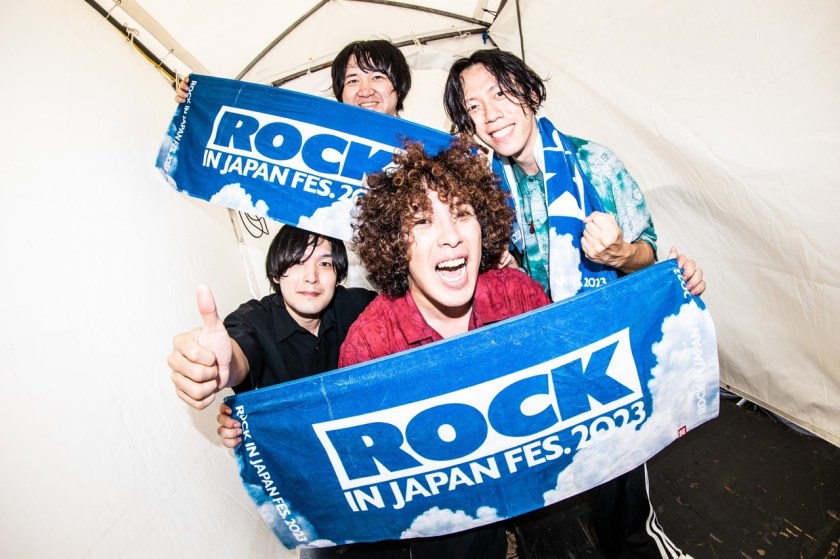
Desde la sala especial del Rock in Japan Fes, en el Complejo Deportivo Soga Park de la ciudad de Chiba, KANA-BOON accedió a hablarnos un poco sobre sus éxitos musicales y de su envergadura internacional en la que anhelan transmitir su potente y dinámico concierto a los escenarios latinoamericanos a futuro.
From the Rock in Japan Fes 2023’s VIP Lounge at the Soga Park Sports Complex, Chiba Prefecture, KANA-BOON accepted our invitation to talk about their musical hits and the internationally successful pathway, whose they expect to play his powerful and dynamic live show on Latin American stages in the future.
Por: Pedro Suárez y Alex Morales.
Traducción del japonés al inglés: Yukio Kobayashi.
Traducción al español: Pedro Suárez.
Artes, fotos y MVs: KANA-BOON, Rock In Japan Fes & Hip Land Music para fines periodísticos.
Visitar Japón por primera vez fue una inolvidable experiencia personal. Dentro de tantas aventuras, jornadas y reencuentros, fuimos testigos activos en varios festivales (matsuri) que se realizan anualmente en la época veraniega, cuando, a pesar de la alta humedad y el calor y una que otro inesperado aguacero, no nos frenó para proseguir nuestro recorrido por este grandiosa y milenaria nación asiática.
Uno de estos festivales en el que por primera vez acudimos fue el Rock In Japan Fes (RIJF), un evento que lleva más de 3 décadas realizándose en la ciudad de Chiba, prefectura del mismo nombre, como parte integral de las actividades musicales veraniegas tanto en la Región de Kanto como en todas las islas que conforman la Nación del Sol Naciente. De este festival hablaremos luego en otra crónica sobre nuestra visita a Japón por primera vez.
Otra de las agrupaciones y artistas que se presentaron en los escenarios del RIJF fueron los carismáticos KANA-BOON. Y no es una exageración etiquetarlos así. Desde su primera hasta su última canción, la banda logró sacudir los cuerpos y las almas de sus seguidores, quienes danzaron, agitaron sus brazos y sus toallas coloridas y corearon hasta gritar de emoción cada uno de sus temas, destacándose sus ya reconocidos “Silhouette”, “Wake Up” o “Diver”. Un increíble concierto que muy seguramente para sus fans fue y será inolvidable.
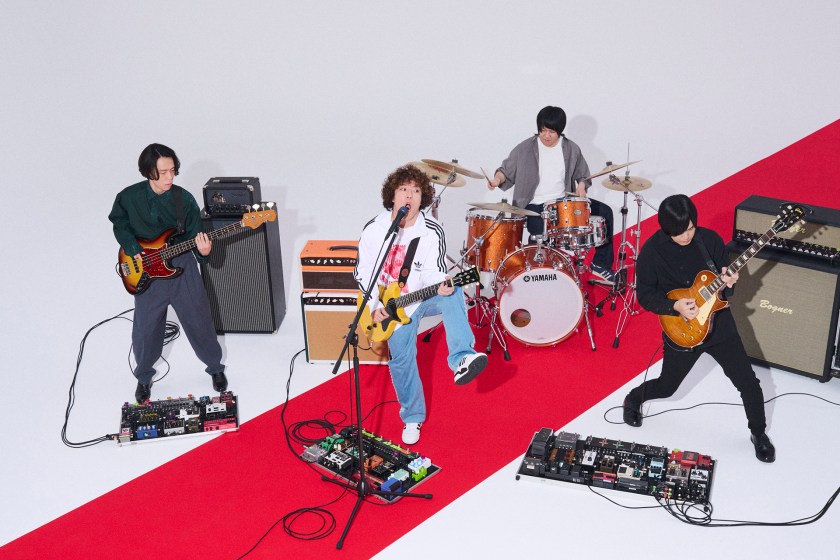
KANA-BOON apareció en la palestra musical en el año 2008 en la ciudad de Sakai, Prefectura de Osaka. Dos entrañables amigos y compañeros de la secundaria, Maguro Taniguchi y Takahiro Koizumi compartían la misma pasión por la música; no en vano eran miembros de ese club escolar. Cuatro años después, la banda estudiantil había ganado el concurso Ki/oon Music, logrando no solamente ser los teloneros de Asian Kung-Fu Generation (del cual siempre los han admirado) sino también ganarse un contrato con una disquera. Desde entonces, el éxito musical de KANA-BOON no ha parado hasta el sol de hoy. La banda termina de conformarse con Hayato Koga en la guitarra y Masami Endo en el bajo.

KANA-BOON han estado en la cima de los listados de la Oricon, con temas que conectan con la gente. Pero, “Silhouette” fue la canción que los catapultó más allá de las fronteras debido a la exitosa seria de anime Naruto Shippuden (2014), en el que muchos fans la cantan y la gozan borrándose por completo las barreras idiomáticas. Con “Fighter” (2017) consolidan su presencia musical ya que fue elegida como la canción de apertura de la segunda temporada para la aclamada serie de mechas, Mobile Suit Gundam: Iron Blooded Orphans. En sus activos, este famoso cuarteto tiene 6 álbumes de estudio, 5 EPs, 3 trabajos compilatorios, y más de 30 sencillos en sus 15 años de carrera. Para este 2023, la banda lanzó dos producciones: “恋愛至上主義” (Love Supremacism), su sexto disco en estudio lanzado el pasado mes de junio (con dos versiones, una de ellas un doble CD celebrando su 10º aniversario), antes de su show en el RIFJ; y el single “Song of the Dead”, lanzado en septiembre. Ambos ya se encuentran disponible en Amazon Music, Spotify, y Apple Music.
Luego de su enérgica presentación en el RIJF tuvimos el privilegio y, hablando por primera vez para un medio latinoamericano, sus integrantes nos contaron sobre, entre otras, de poder realizar una gira por Latinoamérica, en la que, además, no pueden imaginar cuán grandioso sería transmitir dicha energía musical a sus seguidores en nuestro continente.
Bunka Wave. Gracias por aceptar nuestra invitación para esta entrevista. Gracias a varias series de anime reproduciéndose en el extranjero, incluida Latinoamérica, sus canciones de apertura y sus temas son bien conocidos en nuestro continente latino, ¿qué desearían conocer más a fondo acerca de Latinoamérica en cuanto a cultura, fans o artistas?
Maguro. Tengo una imagen muy apasionada de Centroamérica y Suramérica. He oído que Latinoamérica es fuertemente influenciada por el anime; y también he oído sobre Centroamérica y Suramérica por otras bandas japonesas de largo historial que ya han estado allá, así que también nos encantaría ir y ver como es el ambiente allá. Es un poco lejos de Japón, pero creo que es una oportunidad única en la vida para saber si es tan cercana a la imagen de apasionados que tenemos de los latinos, o si es tan lejana más allá de nuestro imaginario. ¡Me imagino que debe ser muy grandioso!
B.W. ¿Cuál es ese pegamento especial que les permite mantenerse unidos como banda para que sigan en la actualidad tocando grandes temas?
Mg. No sé si la gente que mira y siga Bunka Wave conoce nuestra historia, pero todos fuimos compañeros de clases en la secundaria. Creo que nuestra relación desde entonces es muy importante. Desde entonces no ha cambiado mucho (risas). Hemos estado juntos tocando más de la mitad de nuestras vidas.
B.W. Durante su carrera musical, ¿cuál es el concierto o el show en vivo que nunca olvidarán y por qué?
Mg. Siempre es divertido tocar en vivo en ese entonces; hasta ahora ha habido grandiosos recitales, y decimos algunas cosas simbólicas como, “recuerdo esta presentación en vivo como la mejor”; pero recientemente he estado dispuesto a hacer nuevas y frescas presentaciones y cada una de ellas han sido las mejores. Adicionalmente, este año fuimos a Arabia Saudita, Indonesia y Canadá para tocar en vivo, y vimos allí a la multitud muy emocionada de ver nuestro espectáculo. Fue una experiencia muy estimulante de sentir esa emoción no sólo en Japón sino también fuera de nuestro país.
B.W. Revisando sus canciones más populares desde algunas series de anime como “Silhouette”, “Spiral”, o “Fighter”, ¿cuál es el tema que la banda cataloga como muy especial, y por qué?
Mg. ¡“Silhouette” de Naruto! Creo que hay muchos fans en el exterior que conocen a KANA-BOON debido a ese tema, e incluso en los países donde actuamos por primera vez este año, fue una de las canciones más emotivas. Cada uno la cantaba con las líricas en japones de inicio a fin. Creo que Silhouette es un tema muy especial tanto para nosotros como para nuestros fans.
B.W. ¿Qué opinan de la actual escena musical en Japón?
Hayato. Soy el tipo de persona que le gusta la música internacional, pero la música japonesa es un poco delicada en términos de “cómo colocarla junto con el sonido”. En realidad, me gusta la música japonesa que inserta diferentes sonidos a su medida. Me gusta ese tipo de cosas porque se siente muy bien para mis oídos.
Mg. Siento que el uso de líricas en japonés es probablemente la diferencia entre una de las tantas que hay en los grupos que están tocando por mucho tiempo; músicos que tienen como más de 10 años que nosotros han experimentado tanto el boom real y el boom alternativo de las bandas rockeras importadas, así que creo que hacen melodías con ese matiz que de alguna manera es similar a la música occidental. Pero nuestra generación es una que admira a la gente que ya ha admirado y vivido el mundo del BritPop, del Alternativo, etc., no la experiencia actual. Y como bandas japonesas, escucho a ASIAN KUN-FU GENERATION que siguen tocando, candando y componiendo en japonés; y a ELLEGARDEN, entre otras muchas agrupaciones que están alrededor nuestro, quienes están también influenciadas por ellos. Las generaciones más jóvenes valoran además las letras y las palabras en japonés.
Masami. Desde la primavera, finalmente la audiencia fue capaz de expresarse de nuestros shows. Hasta entonces, nuevas maneras de disfrutar la música vinieron por medio de los canales de streaming en Internet. Esto cambió un poco la forma como antes solían hacerse las cosas, es como si ellos quieren seguir disfrutarlo más para sí mismos. “Disfrutemos más de nosotros mismos”. Los espectadores en el extranjero son libres de disfrutar el show vociferando y gritando en vivo, y deseo que nuestros fans japoneses tengan tanta diversión como les sea posible.
Takahiro. Cuando empezamos nuestra gira, hubo muchos seguidores que aún no nos habían visto en un concierto y lo supimos al navegar en TikTok o a veces en otras redes sociales, pero recientemente los festivales de rock han estado regresando y están de vuelta para enseñarnos a cómo poder disfrutarlos al máximo. Siento una vez más que la escena rockera sigue siendo muy excitante y candente.
Acá le dejamos el saludo que nos dejaron Maguro, Takahiro, Masami & Hayato en nuestro canal de YouTube:
Sitio Oficial de KANA-BOON.
Sitio Oficial de ROCK IN JAPAN FES.
KANA-BOON en Instagram.
KANA-BOON en YouTube.
KANA-BOON en Spotify, Amazon Music & Apple Music.
KANA-BOON en X y Tik-Tok.
Pedro Suarez & Alex Morales.
Japanese – English Translator: Yukio Kobayashi.
Spanish Translator: Pedro Suarez.
Photos, official arts, and MVs: Under permission from KANA-BOON, Rock In Japan Fes & Hip Land Music for journalistic purposes.
Visiting Japan for the first time was a unique personal experience. Between many adventures, journeys, and meeting with new and old friends, we witnessed various festivals (matsuri) that took place in summer; despite the dry, humid, and extreme weather (including unexpected fierce showers), we didn’t stop to keep touring in this great ancient and imperial Asian nation.
One of these festivals that we attended for the first time was Rock In Japan Fes (RIJF). This event has been taking place for more than 3 decades in the city of Chiba, prefecture of the same name, as an integral part of summer musical activities both in the Kanto Region and in all the islands that make up the Nation of the Rising Sun. We will talk about this festival later in another chronicle about our visit to Japan for the first time.
Another band on stage at the RIJF was the beloved and charismatic KANA-BOON. Believe me, it is not an exaggeration. From their first tune to the last song, the band shook the bodies and souls of their fans who danced, sang their songs, and waved their arms and colorful towels until the end of their live show in each theme such as “Silhouette,” “Wake Up,” or “Diver.” It was a terrific concert that I think their fans will never forget!
KANA-BOON emerged in the Japanese music scene in 2008 from Sakai, Osaka Prefecture. Two dear high school friends, Maguro Taniguchi and Takahiro Koizumi, shared the same passion for music. Thus, they were members of the high school music club. Four years later, they won the Ki/oon 20 Years Audition out of 400 contestants and served as the opening band for Asian Kung-Fu Generation, and the band earned a music label contract. Since then, KANA-BOON’s successful musical pathway has been unstoppable. The group is completed with guitarist Hayato Koga and bassist Masami Endo.
 Bunka Wave