

Entre paisajes sonoros íntimos y pulsos electrónicos, Our Shame (凹與山) se ha convertido en una de las propuestas más sensibles y evocadoras de la nueva escena taiwanesa. Su música, profundamente emocional y marcada por la observación de la vida cotidiana en la era digital, propone un espacio donde la vulnerabilidad y la experimentación conviven sin filtros. En SXSW 2026, su presentación no solo capturó esa esencia, sino que también abrió nuevas conexiones con audiencias fuera de Asia. (Available in English and Spanish).
Por: Duvan Prada (Colombia)
Agradecimientos especiales: Young Team Productions para fines periodísticos.
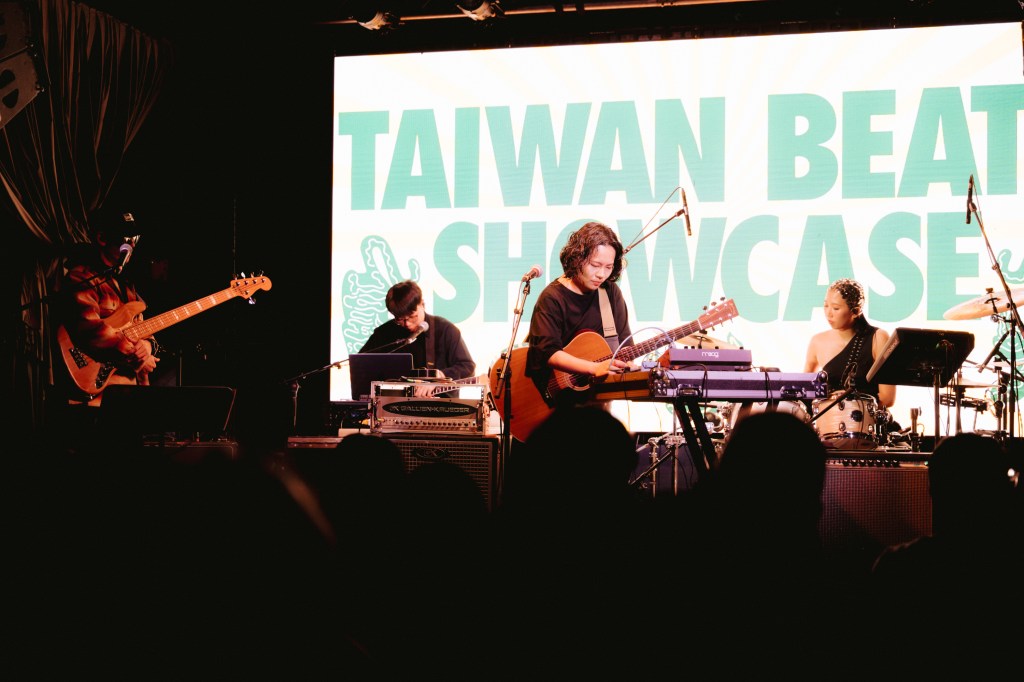
El paso de Our Shame por SXSW 2026 no solo marcó un hito en su proyección internacional, sino que también evidenció el tipo de sensibilidad que define a la nueva escena taiwanesa. En el marco del Taiwan Beats Showcase donde compartieron cartel con proyectos como Flesh Juicer, Sorry Youth y Modern Cinema Master, el dúo llevó a Austin un set que osciló entre lo electrónico y lo orgánico, construyendo atmósferas que se sienten tan personales como universales.
Su música, que transita entre lo íntimo y lo digital, dialoga directamente con las tensiones contemporáneas: la sobreestimulación, la soledad en la hiper-conectividad y la búsqueda de identidad en entornos híbridos. Lejos de ser un discurso abstracto, estas ideas toman forma en canciones que nacen de experiencias reales, memorias fragmentadas y cotidianos transformados en narrativa sonora.
En conversación con Bunka Wave, Our Shame profundiza en estas dualidades, lo online y lo offline, lo autobiográfico y lo observado mientras reflexiona sobre su evolución sonora hacia lo electrónico y su experiencia en Austin. Entre improvisaciones en vivo, conexiones inesperadas y nuevas influencias, su paso por SXSW confirma algo claro: su propuesta no solo cruza fronteras geográficas, sino también emocionales.
Bunka Wave. Muchas gracias por aceptar esta entrevista para Bunka Wave y Latinoamérica. Su música suele explorar la relación entre las emociones humanas y los entornos digitales. ¿Sienten que internet ha cambiado la forma en que experimentamos la soledad o el amor?
Estelle & Isan: Internet hace que sea muy fácil desviar nuestra atención hacia otras cosas: maratonear series, sumergirnos en comentarios de desconocidos, jugar, buscar dopamina de forma más inmediata que nunca. Pero al hacerlo, nuestras expectativas sobre la compañía y el amor se van “inflando”, lo que a su vez genera más soledad y alienación.
Podemos ver muchas historias y publicaciones, asomarnos a ellas, pero ver no es lo mismo que estar presentes. El FOMO es cada vez más fuerte, y ese tipo de reconocimiento no es suficiente para llenar ese vacío.
B.W. El sonido de Our Shame ha evolucionado de lo acústico a lo electrónico. ¿Fue una decisión estética consciente o algo que ocurrió de forma natural con el tiempo?
Estelle & Isan: Fue una decisión estética, pero también lo que llamamos “yuan-fen”, que en mandarín significa una coincidencia natural pero destinada. Mientras explorábamos identidades sonoras antes de la pandemia, nos encontramos con artistas como Tom Misch, mezclando guitarras con beats de Roland 808; Disclosure usando bajos Fender en sets electrónicos; o Sylvan Esso integrando cellos con equipos modulares en vivo. Ahí entendimos que queríamos sumergirnos en la electrónica sin dejar atrás nuestra guitarra acústica y el djembe.
B.W. Muchas de sus canciones tienen una atmósfera muy íntima, casi como un diario. ¿Qué tan autobiográficas son sus letras?
Estelle: Diría que un 80% son autobiográficas. Valoro cada momento de la vida, incluso los más amargos pueden tener una cualidad cinematográfica, algo que merece ser capturado. Por eso me gusta escribir sobre lugares, personas y objetos reales. La vida puede ser muy inesperada, y espero que mis pensamientos y sentimientos puedan permanecer ahí, acompañando incluso a personas que quizá nunca conoceré.
B.W: En canciones como “理查 (Richard)”, hay una mezcla entre lo cotidiano y lo existencial. ¿De dónde surgen estas historias: observación, experiencias personales o ficción?
Estelle: La historia de “Richard” viene de una noticia que leí en internet. Me llamó la atención el titular: “un hombre robó un avión para ver una ballena”. Recuerdo que fue un momento muy particular, porque el atardecer dorado entraba por mi ventana justo a la hora en que Richard despegó y sobrevolaba el Pacífico Norte. Me impactó mucho esa belleza contradictoria entre la melancolía, la persecución de un sueño, el posible crimen y esa conversación suave y surreal entre Richard Russell y la torre de control.
B.W. Su música también aborda el tema de la identidad. ¿Sienten que son diferentes en línea que en la vida real?
Estelle & Isan: Afortunadamente, somos bastante iguales online y offline. De hecho, quizá somos más cuidadosos en internet que en la vida real, porque lo que publicas puede quedarse en la memoria de alguien y ser reinterpretado de formas que no esperas, sin que tengas la oportunidad de aclararlo. Aun así, valoramos mucho internet como un espacio para expresar e iniciar cosas que realmente nos importan.
B.W. ¿Cómo vivieron SXSW 2026 y qué artistas recientes, especialmente de Latinoamérica, les han llamado la atención?
Estelle & Isan: Amamos Austin y SXSW. La energía de la ciudad, la gente, la comida y los shows fue increíble. Estelle estaba tan emocionada que improvisó la letra de “Richard” en vivo e incluso lanzó el setlist al público como si fuera una pelota de béisbol.
Sí, somos fans de Ela Minus y MOÜGLI. También nos encanta TUYO de Brasil, nos los presentó Ricardo. Y nos gusta mucho el toque de Tainy en el dance-pop. En SXSW disfrutamos mucho el show de Amie Blu.
Finalmente, ¿pueden enviar un saludo a Bunka Wave en Colombia y Latinoamérica?
Estelle & Isan: ¡Hola Bunka Wave! Somos Our Shame desde Taiwán. Hacemos música divertida y bacana, esperamos que la disfruten. ¡Vengan a escucharla!
Our Shame: Intimacy and Electronic Emotion in Taiwan’s New Wave
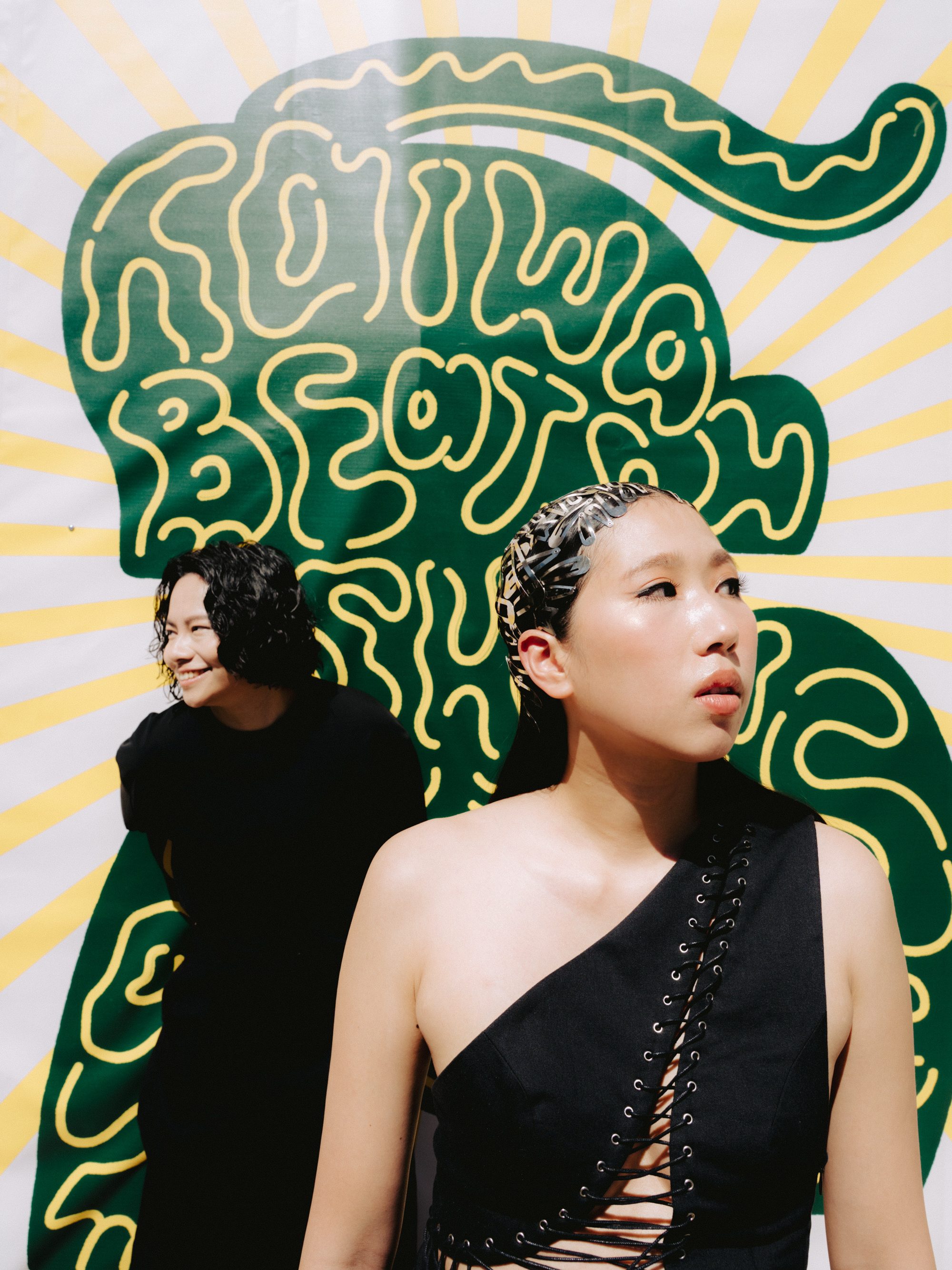
Between intimate sonic landscapes and electronic pulses, Our Shame (凹與山) has emerged as one of the most sensitive and evocative acts in Taiwan’s new music scene. Deeply emotional and shaped by observations of everyday life in the digital age, their music creates a space where vulnerability and experimentation coexist without filters. At SXSW 2026, their performance not only captured this essence, but also opened new connections with audiences beyond Asia.
Our Shame’s appearance at SXSW 2026 marked a significant milestone in their international trajectory, while also highlighting the kind of sensitivity that defines Taiwan’s evolving scene. As part of the Taiwan Beats Showcase, where they shared the lineup with acts like Flesh Juicer, Sorry Youth, and Modern Cinema Master, the duo brought to Austin a set that moved between the electronic and the organic, crafting atmospheres that felt both deeply personal and universally resonant.
Their music, which moves between the intimate and the digital, speaks directly to contemporary tensions: overstimulation, loneliness in hyperconnectivity, and the search for identity within hybrid environments. Far from abstract, these ideas take shape in songs born from real experiences, fragmented memories, and everyday moments transformed into sonic narratives.
In conversation with Bunka Wave, Our Shame delves into these dualities, online and offline, autobiographical and observational, while reflecting on their sonic evolution toward electronic music and their experience in Austin. Between live improvisations, unexpected connections, and new influences, their time at SXSW makes one thing clear: their project not only crosses geographical borders, but emotional ones as well.
Duvan Prada / @duvanprada_
Special acknowledges: Young Team Productions for journalist purposes.
Bunka Wave. Your music often explores the relationship between human emotions and digital environments. Do you feel that the internet has changed the way we experience loneliness or love?
Estelle & Isan: The internet makes it easy for us to shift our attention elsewhere. Binging shows, diving into strangers’ online comments, gaming, finding dopamine more effortlessly than ever. But in doing so, our expectations of companionship and love keep “inflating,” causing more loneliness and alienation in return. We are able to see, to peek at a lot of stories and posts, but seeing is not attending, FOMO issues are even more severe. acknowledgement is not enough to fulfill this hollow.
B.W. The sound of Our Shame (凹與山) has evolved from acoustic to electronic. Was this change a conscious aesthetic decision or something that happened naturally over time?
Estelle & Isan: It’s an aesthetic decision with what we call “yuan-fen”, meaning natural but fateful coincidence, in mandarin. As we were exploring sonic identities before covid, we came across Tom Misch’s blends of guitars with Roland 808 beats, Disclosure rocking their Fender bass with their electronica set, Sylvan Esso bringing cellos with their modular gears in live sets. And we realized we want to dive into electronica with our favorite acoustic guitar and djembe traveling with us.
B.W. Many of your songs have a very intimate, almost diary-like atmosphere. How autobiographical are your lyrics?
Estelle: I would say 8 out of 10 autobiographical. I treasure every second of life, even its bitter moments can carry a cinematic quality, something worth capturing. That is why I love writing about real places, people, and objects. Life can be very unexpected and I hope that my thoughts and feelings can remain behind, offering companionship even to strangers I may never meet.
B.W. In songs like “理查 (Richard),” there’s a mix of the everyday and the existential. Where do these stories come from: observation, personal experiences, or fiction?
Estelle: The story about Richard was from a news I read about on the Internet. It had my attention as the title read “a guy stole a plane to watch a whale”, and I remember it was a serendipitous reading moment as the golden sunset came through my window, just exactly the hour that Richard took off and was hovering the north Pacific ocean. I was very infected by the conflicting beauty of melancholy, dream-chasing, potential crimes, and the gentle, surreal conversation between Richard Russell and the traffic control.
B.W. Your music often touches on the theme of identity. Do you feel you’re different online than in real life?
Estelle & Isan: Thankfully, we’re pretty much the same online / offline. Actually we might be more cautious online than in real life because things you post online might stay in someone else’s memory, be re-interpreted in ways you wouldn’t expect, and you don’t get a chance to clarify. Be that as it may, we still cherish the Internet as a way to express and initiate things that we truly care about.
B.W. How did you experience SXSW 2026, and which recent artists, especially from Latin America, have caught your attention?
We adore Austin and SXSW. The aura of the city, people, food and shows were amazing. Estelle was so thrilled and she improvised the lyrics of our song “Richard” and even tossed the setlist to the audience like a baseball.
Yes, we are fans of Ela Minus and MOÜGLI! And we love TUYO from Brazil as well, they were introduced to us by Ricardo. And we love Tainy’s touch on dance-pop as well. And in SXSW, we enjoyed Amie Blu’s performance very much.
B.W. Thank you again for this interview. Finally, could you send a greeting to Bunka Wave in Colombia and Latin America?
¡Hola Bunka Wave! Somos Our Shame de Taiwán. Hacemos música divertida y bacana, esperamos que la disfruten. ¡Vengan a escucharla!

